Film restoration
Bringing archived films back to life: clean, stable, and true to how they were meant to be seen.
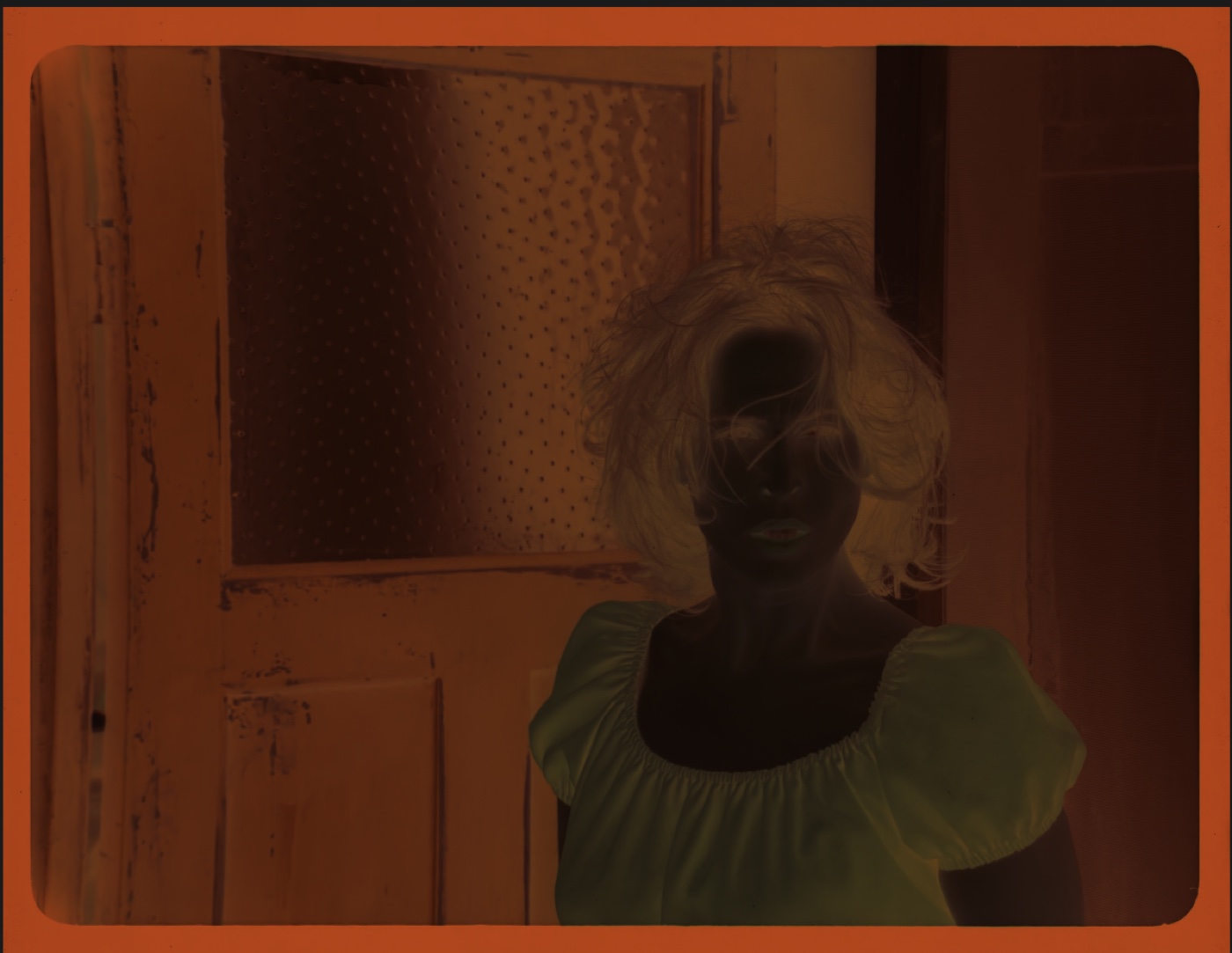
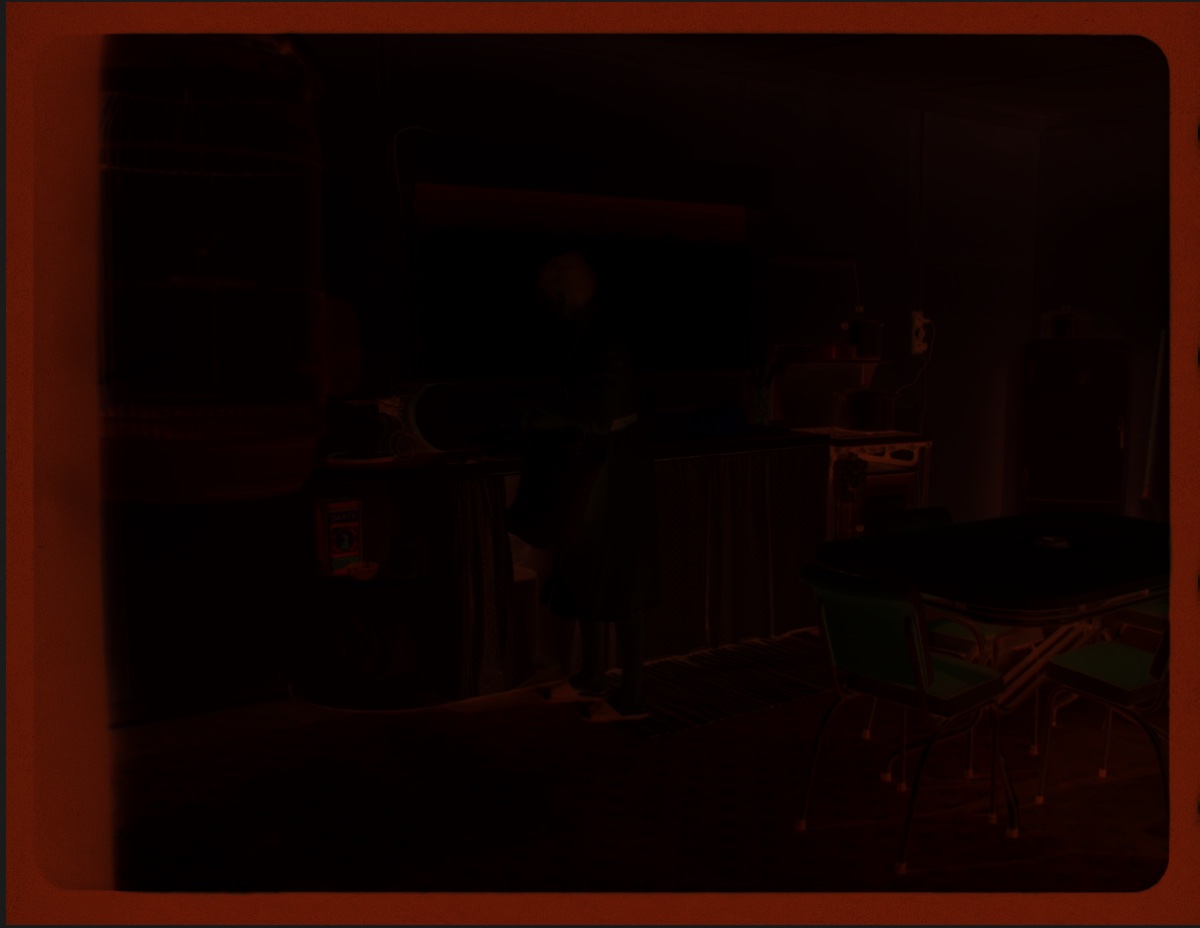
Restoring original negative stock is one of the most demanding jobs in post-production. A decades-old negative is not a picture yet. It is a dense, orange-masked latent image whose dyes have drifted and faded unevenly over time, carrying every scratch and speck the years have left behind.
Colour and density recovery
- True C-41 inversion from the original orange-masked negative
- Colour and density rebuilt from first principles
- Age-related casts and channel imbalances corrected
- Faithful to the filmmaker's intended look
- Delicate highlight and shadow detail preserved
Physical wear and tear
- Dust, embedded dirt and splice marks
- Vertical tramline scratches from projection and transport
- Gate weave and wobble from worn sprockets
- Repaired without smearing across real image detail
- Clean edges around moving limbs and objects
The hard part is never finding the defects. It is repairing them without harming the picture. Most tools smear or blob at the edges of moving objects because they cannot tell a scratch from real image detail crossing an occlusion boundary. Ours can.
From negative to restored
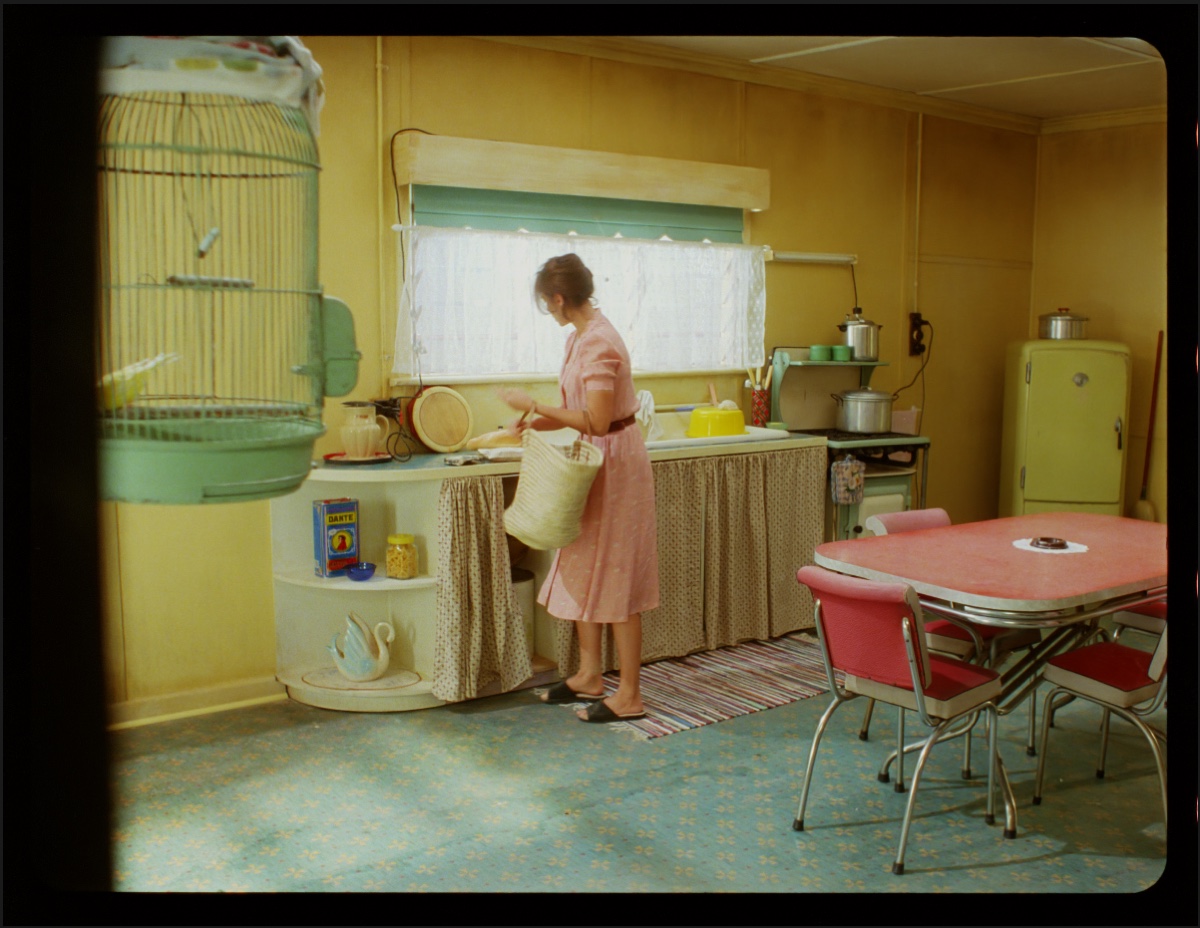
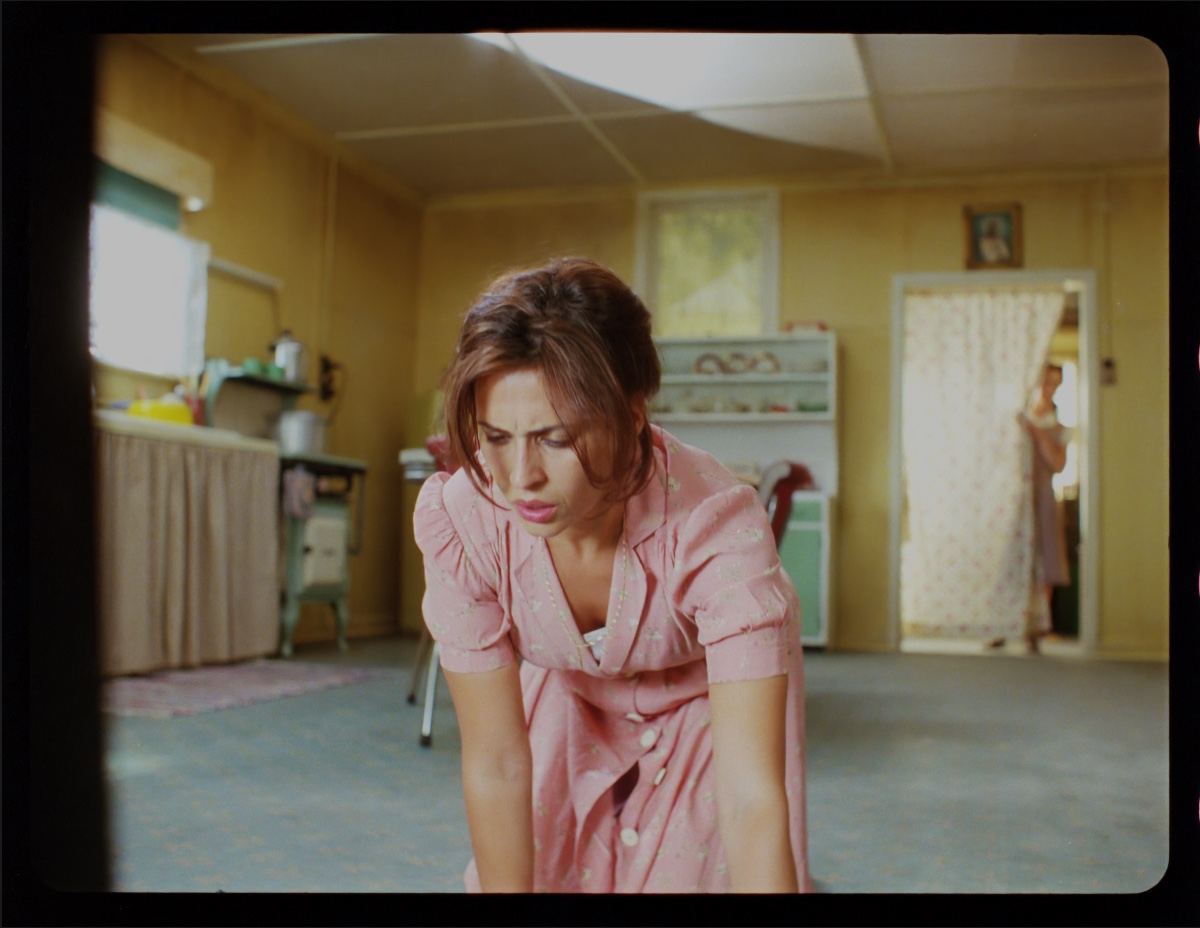
Drag each slider to reveal the true C-41 inversion and colour reconstruction, straight off the original negative stock.
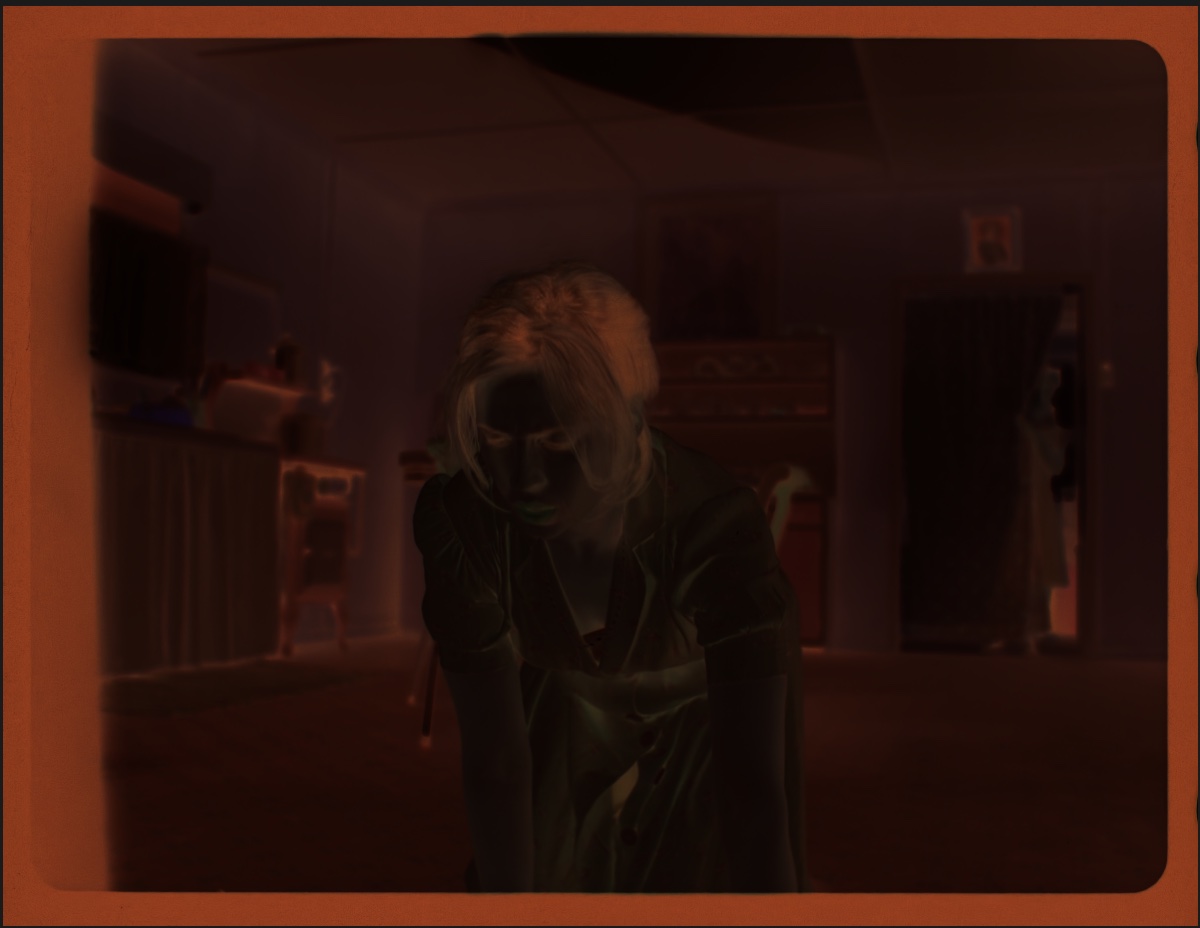
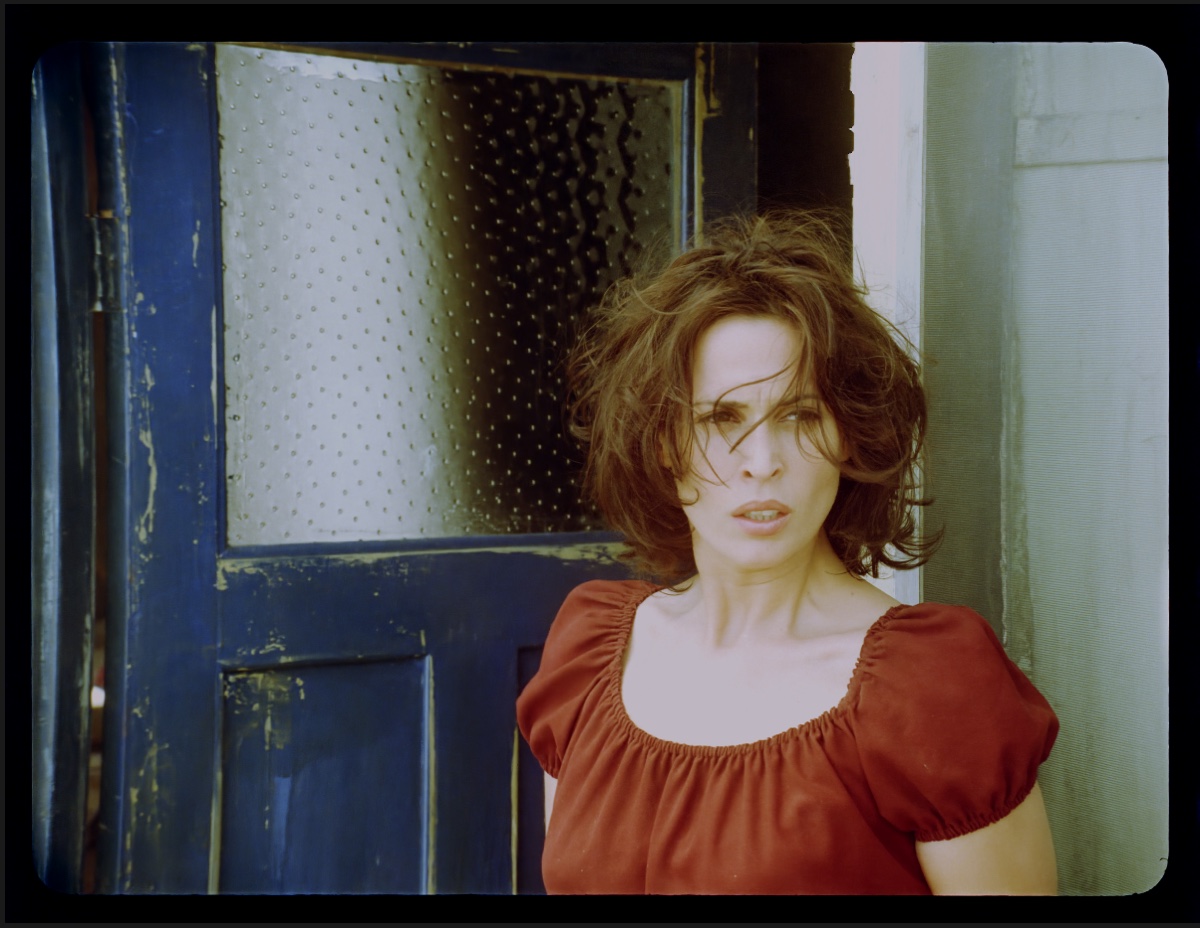
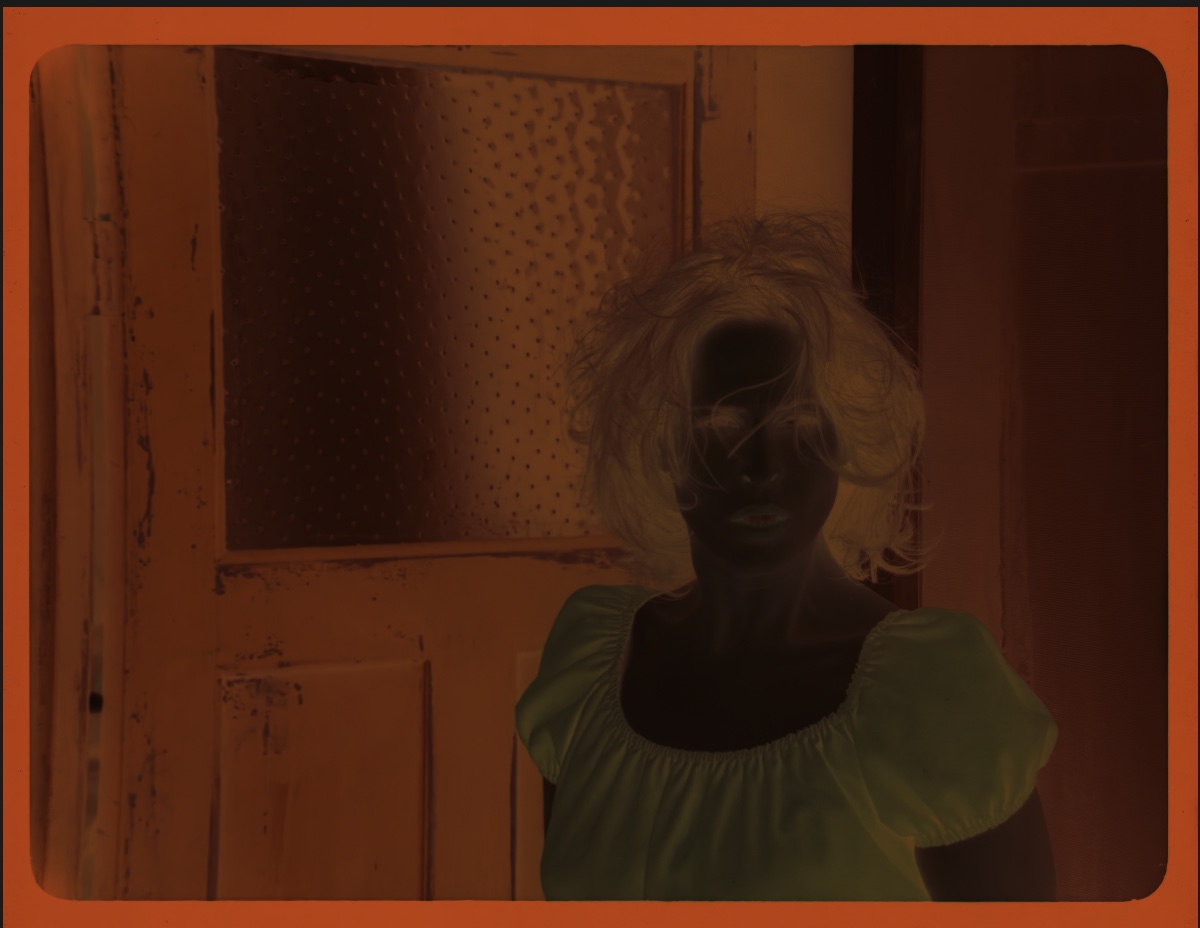
The Film Negative Restoration Suite
A decade of restoration work, built into our own tools. Each one solves a specific defect and leaves the rest of the frame alone, so the result looks genuinely restored, not scrubbed or over-processed.
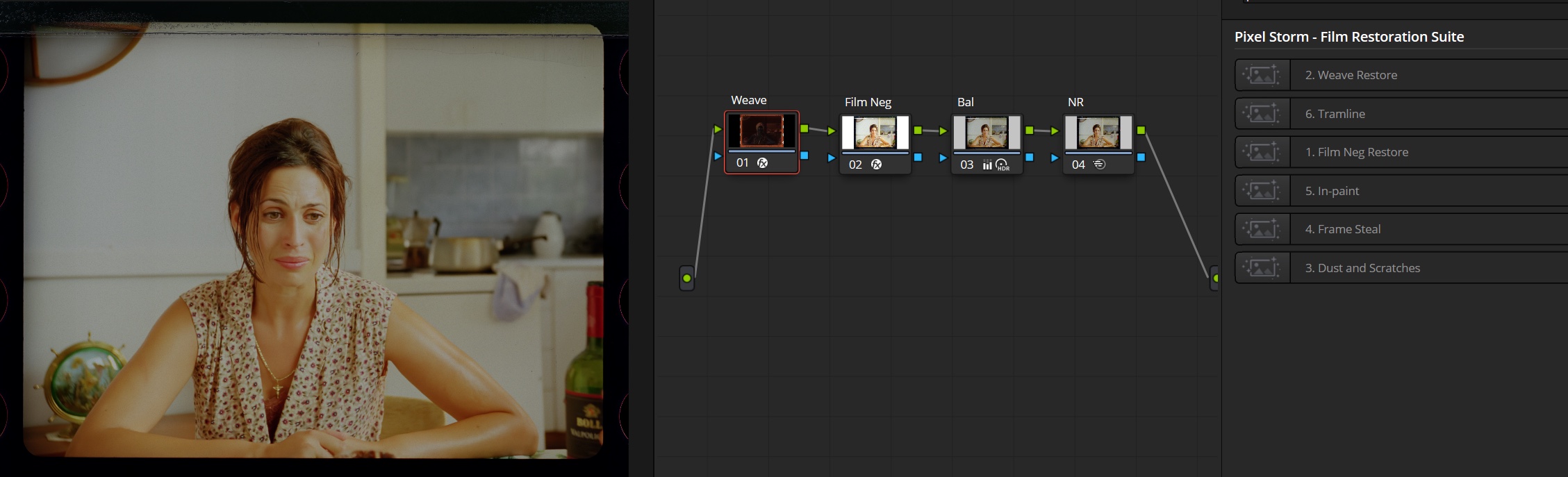
Film Neg Restore
True C-41 negative inversion with GPU-accelerated colour reconstruction, giving a clean, accurately graded starting point rather than a rough approximation.
Weave Restore
Corrects the weave and wobble introduced as the stock moves through the scanner sprocket, locking every frame rock-steady.
Dust and Scratches
Repairs dust, dirt and scratches along motion vectors that follow the action, protecting moving limbs and objects from the smearing and break-up that lesser tools leave behind.
Frame Steal
Patches damaged or missing areas with clean, motion-matched detail borrowed from neighbouring frames.
In-paint
Reconstructs areas with no clean source, filling holes and heavy damage with plausible, motion-aware detail so nothing is left blank or smeared.
Tramline
Targets persistent tramlines, the long vertical scratches that run unbroken across many frames, and clears them while leaving the surrounding picture untouched.
Have a film to save?
Tell us about the elements and their condition. We will assess and advise.
Film restoration, common questions
What is film restoration?
Film restoration is the process of returning an aged or damaged film to a clean, stable image that is true to how it was meant to be seen. That can mean recovering colour from an original negative, steadying the frame, and repairing dust, scratches and missing detail.
Can you restore from film negatives and older formats?
Yes. We work from scanned negatives and other archival elements, including true C-41 negative inversion with accurate colour reconstruction rather than a rough approximation.
What is the difference between restoration and remastering?
Restoration repairs damage and recovers the original image. Remastering prepares that image for a new format or release, such as a 4K master or a cinema DCP. We can do both as one project.
How much does film restoration cost?
It depends entirely on the condition of the elements and how much damage there is. Send us details of what you have and its condition, and we will assess it and advise before any work begins.
What do you need to start?
A scan of the film elements, or the physical elements to be scanned, plus any notes on their history and condition. From there we plan the right combination of tools for your material.